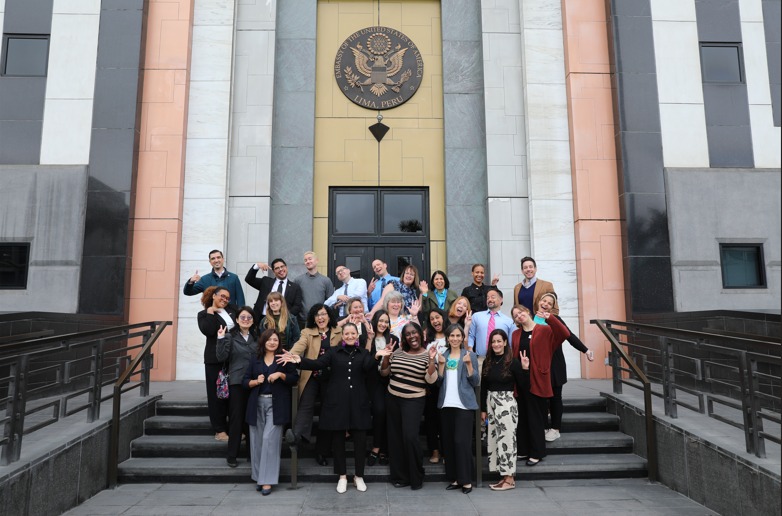
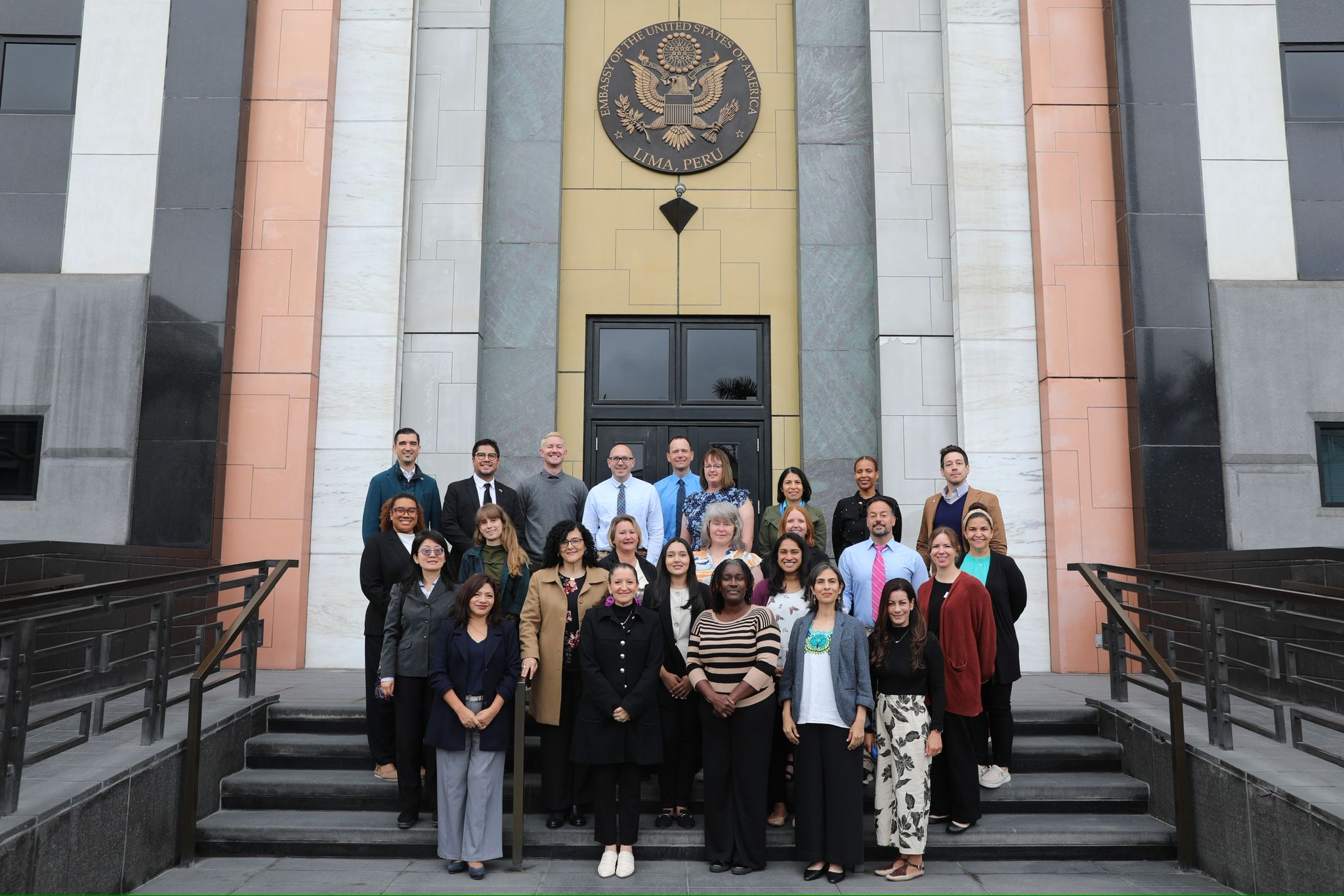
Today we boarded the bus bright and early to head to the US Embassy. After a lot of Lima traffic and security checkpoints, we made it to a round table discussion with Peruvian Ministry of Education officials.
Some of my big takeaways included:
- The Peruvian Ministry of Education is composed of only a team of 3 (Woah…seems exhausting)
- National curriculum is designed from preschool to high school
- Public, private, parochial schools all follow the same national curriculum (which includes religion class)
- Universities are free in Peru; however they are very competitive because all students in public, private, parochial…etc are all applying for the same spots
- There are not many English teachers in the country (at university it is a 5 year program and not many teacher incentives to go for it)
- English instruction does not have specific/explicit phonics instruction
- Peru has a 90% literacy rate (like holy moly guacamole…incredible)
- they focus on oral, reading, and writing with literacy
- they first develop oral skills because they want students to be verbally expressive in their own language by interacting with reading
- teachers undergo intensive literacy trainings
- Lack of resources, infrastructure, and limited access is the main struggle in Peruvian school systems
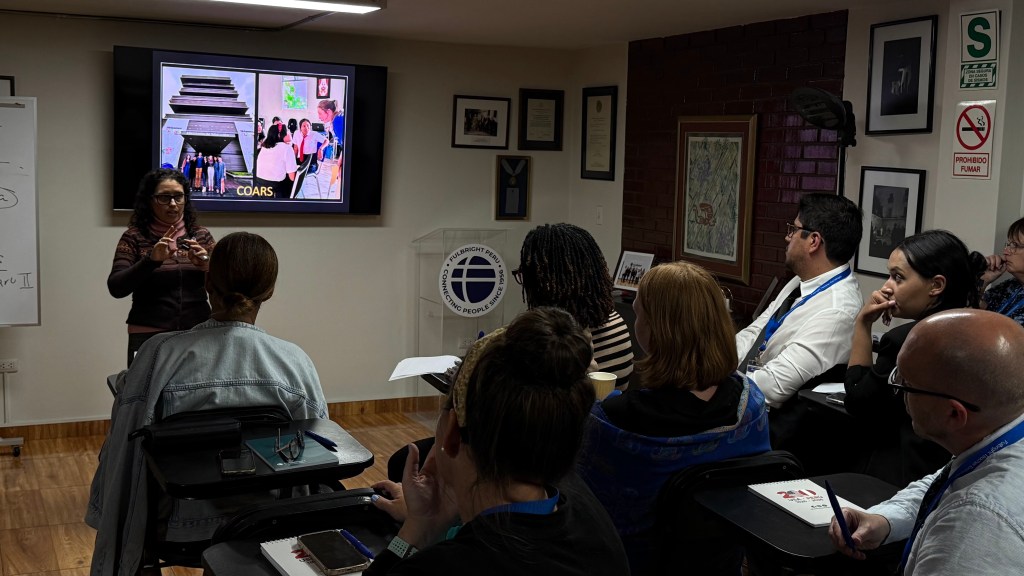
- COAR Schools are public IB schools that are in all 26 regions of Peru. Some special things about COAR schools are:
- 1,000 students apply for only 100 spots per year
- requirements to apply include low-income/impoverished students
- it is a free, boarding school so many students live far away from their families and only come home once or twice a year
- it is an intense program where academics are from 7am-7pm (with breakfast, lunch, and dinner)
- COAR is often a pipeline to academic success in country and abroad (for many students it becomes their opportunity to support their families and selves)
- 1,000 students apply for only 100 spots per year
- Teachers are respected in Peru because many families recognize the work teachers do and acknowledge that education is the road to success
Wow. So much to process. So much good food for thought.
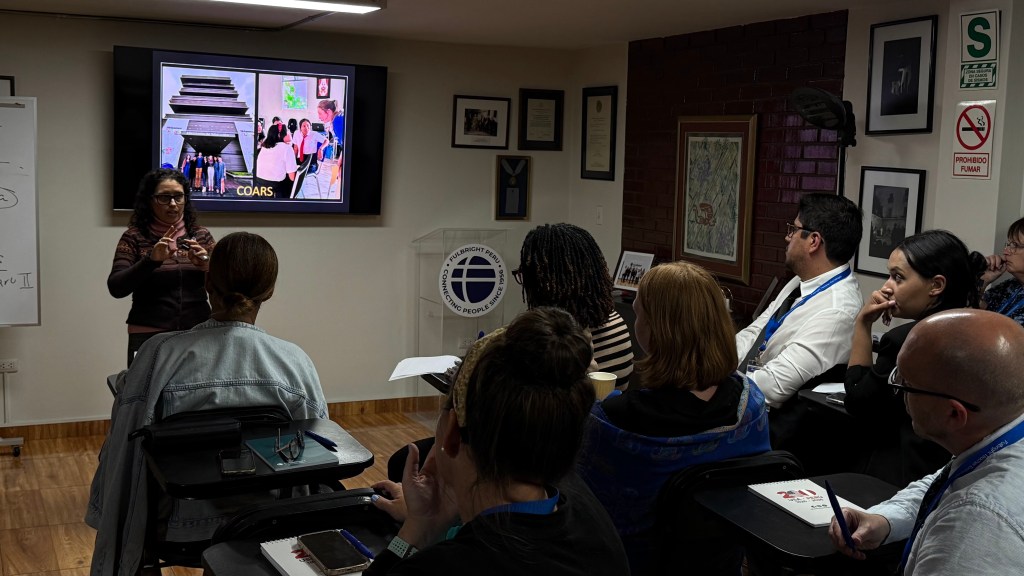
Something that really stood out to me was the drive and passion each official had to improve and better the education system for students. There was so much gratitude knowing they carved out time in their busy schedules to talk to a couple of school teachers from the States about their current and aspiring school system.
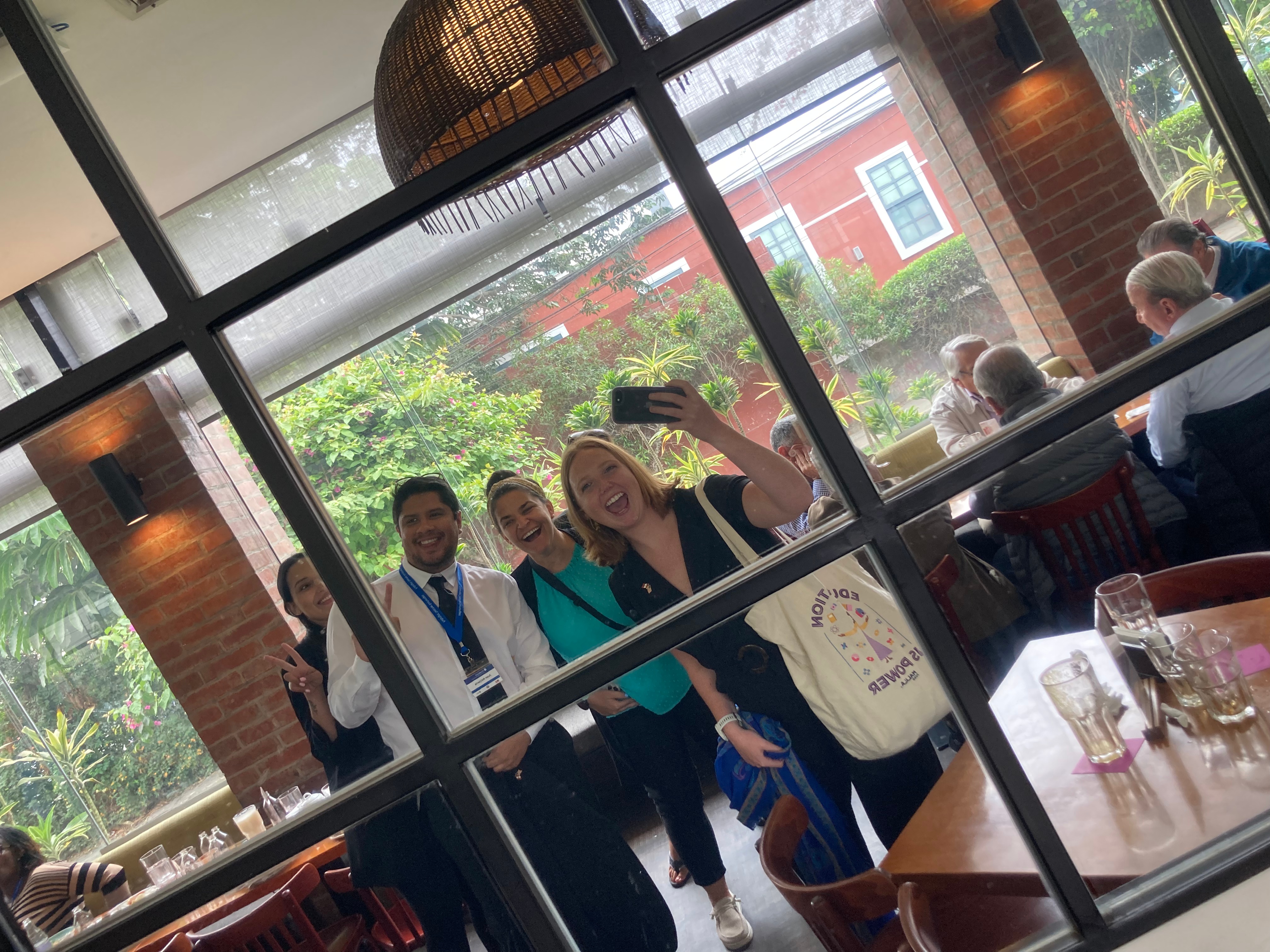
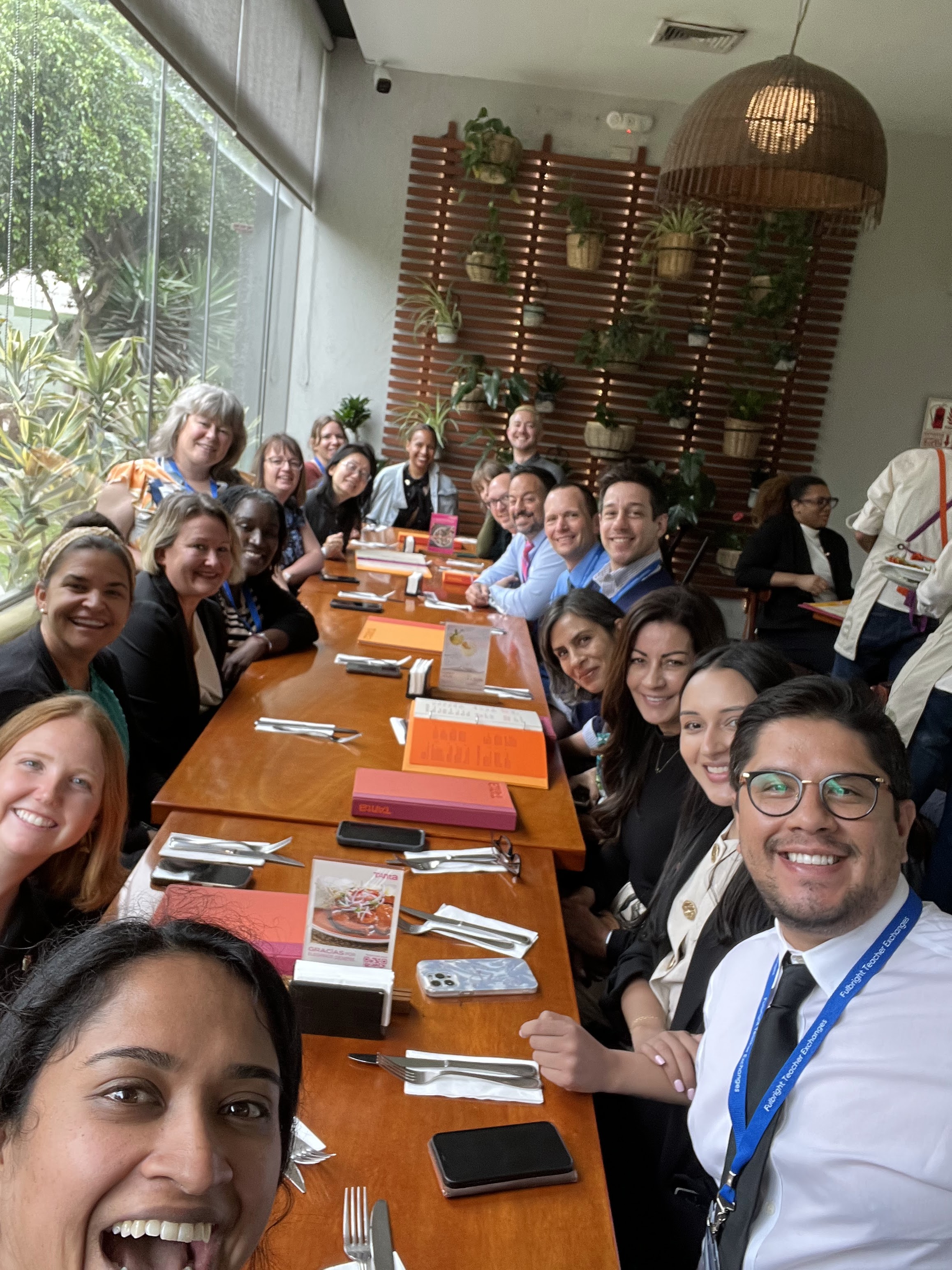
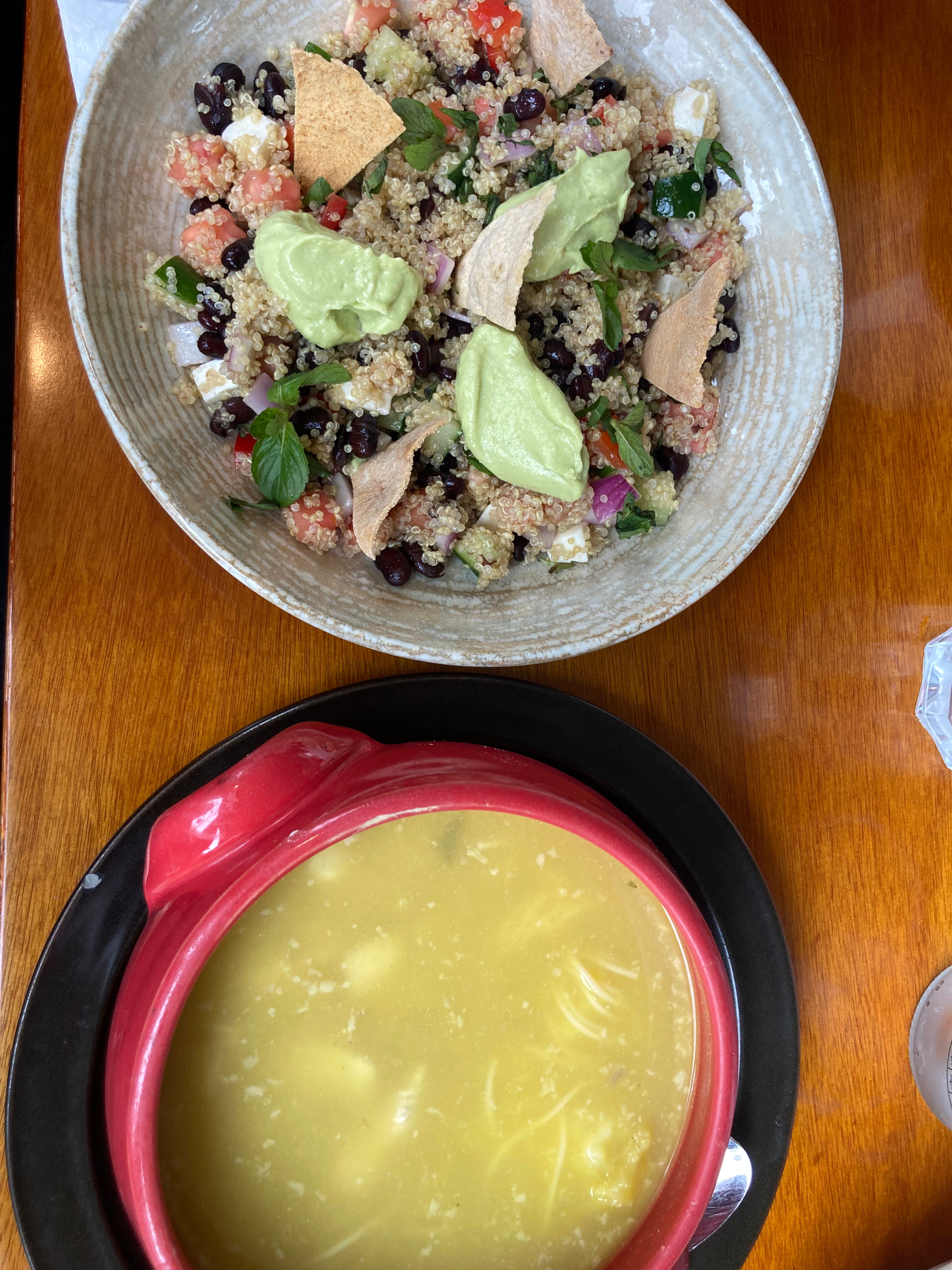
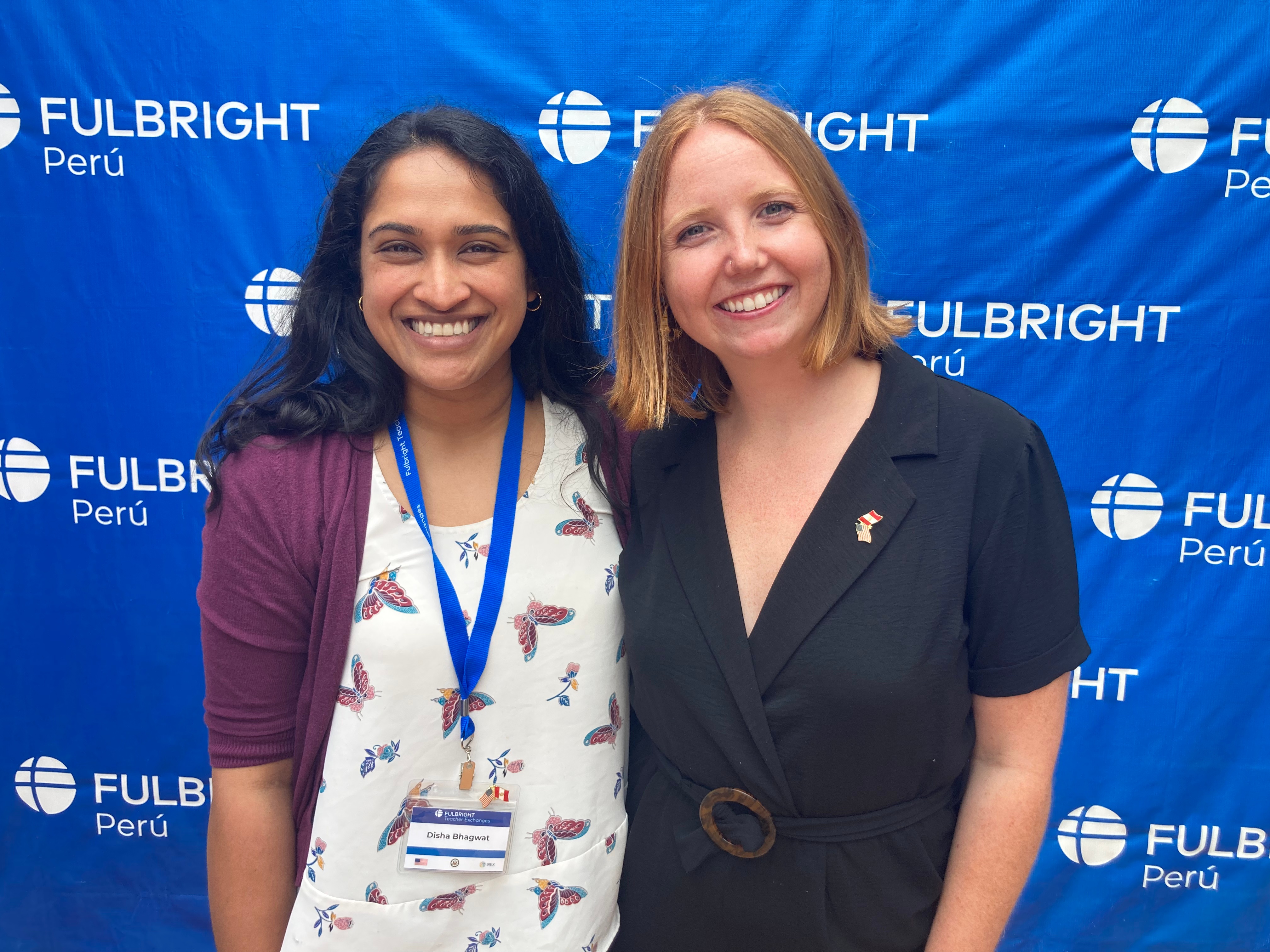
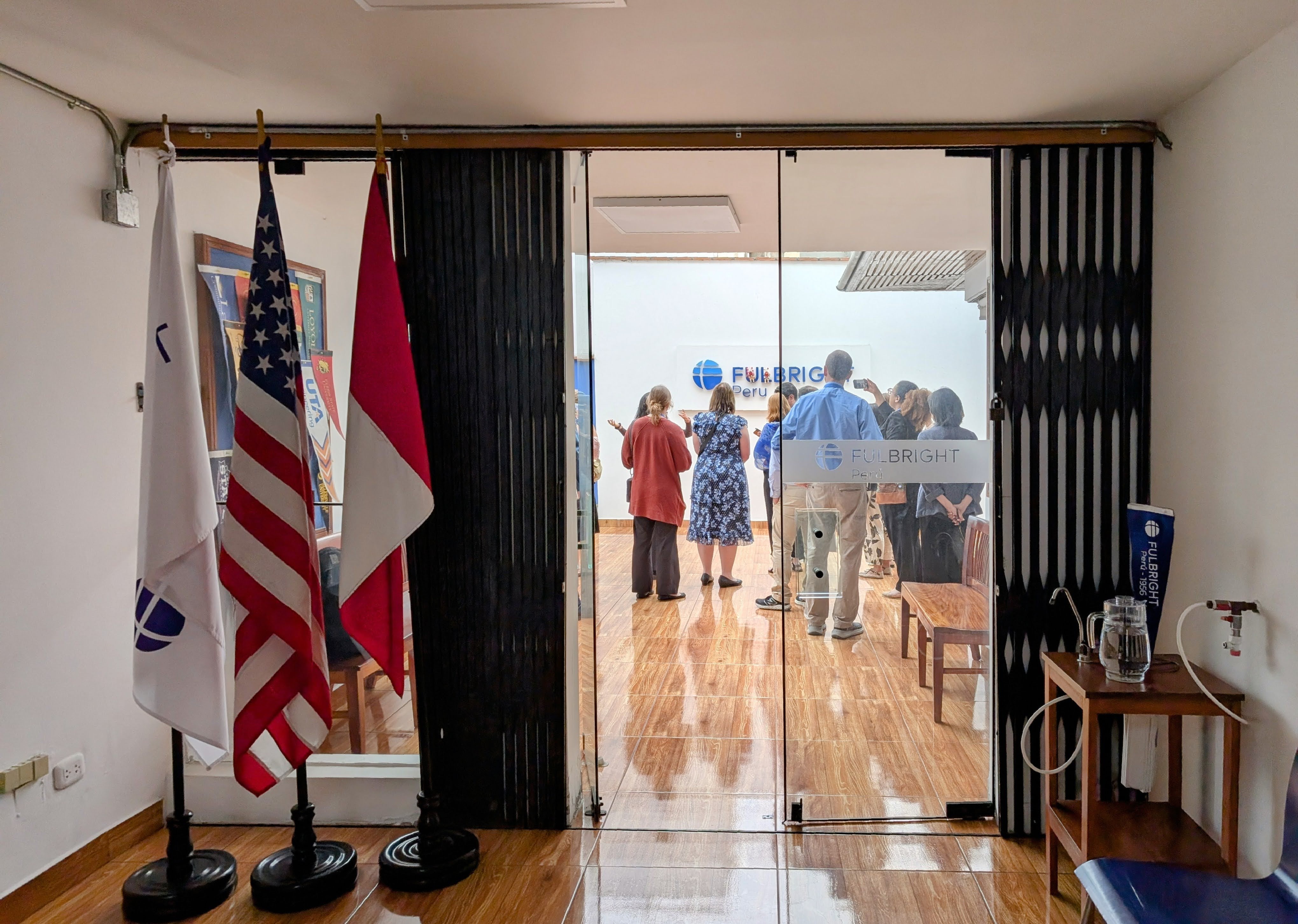
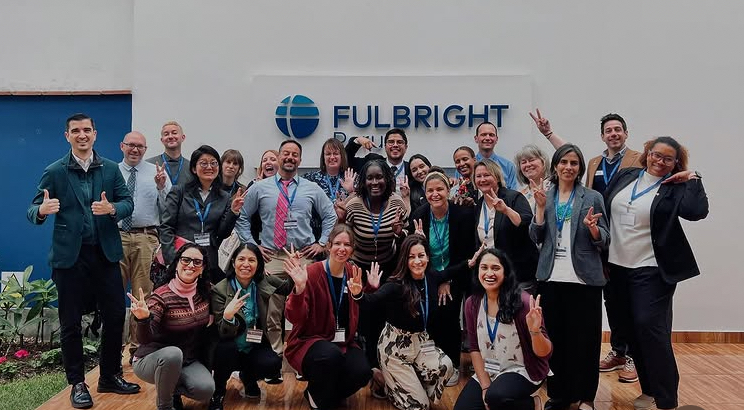
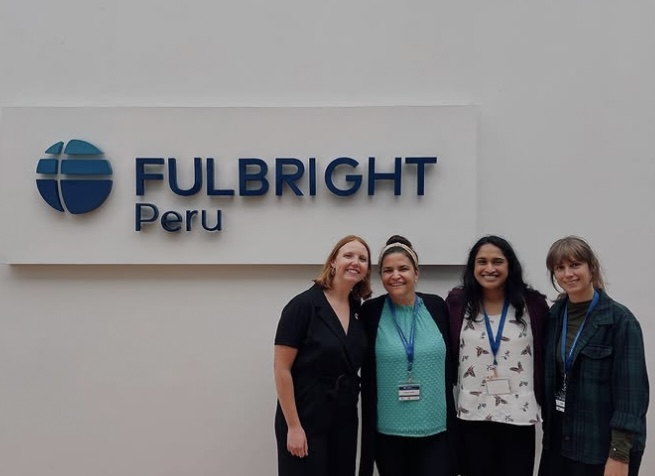
After processing the visit over a delicious bowl of Aguadito De Pollo (chicken soup with potato and fresh spices) we headed to the Fulbright building to learn more about Peruvian history by Laura Balbuena, the director of Fulbright Peru. Laura’s dynamic, witty and incredible personality encapsulated all of us as we absorbed information about the division of Peru due to colonialism, racism, capitalism, sexism…etc.
She started the discussion at the beginning with Inca history. She explained when Spanish conquistadors came, they asked to meet with Atahualpa, the Inca emperor. When they met him, they deceitfully handed him the Bible, saying it was the Word of God. Atahualpa put the book to his ear, but heard nothing…no words from God. So, he threw the bible down in confusion because God had not spoken to him. The conquistadors took this as an insult, captured him, held him for ransom, and when they finally received their treasures killed Atahualpa anyway. This was the first wound of many to a very painful and long history of trauma and mistreatment of the Incas, indigenous people, and other minority groups. As mentioned, the first wound…of many.
Reflecting on this story, my mind drifted to the English language. The colonizers, had intentionality of misinterpretation when they said the “Word of God” and I couldn’t help but wonder, how many other people say things knowing others won’t understand? How often are our intentions misinterpreted with multilingual learners? What are we doing in our classrooms to minimize this gap? How do we react when students or people don’t understand us?
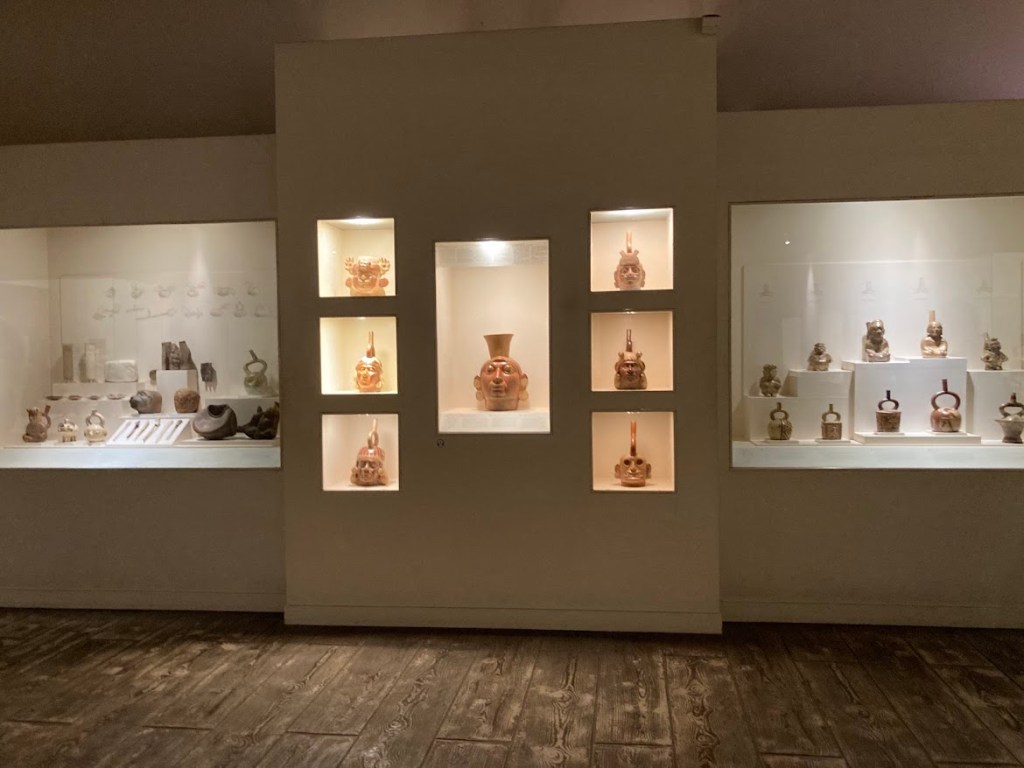
As Laura continued on with the history, I was happy to hear about the small forms of resistance Inca and indigenous people made against the colonizers, including shaping the Virgin Mary in sculptures like a mountain symbolizing the Apu’s or the spirits of the mountains (see picture below found in the National Museum of Archaeology, Anthropology, and History of Peru).
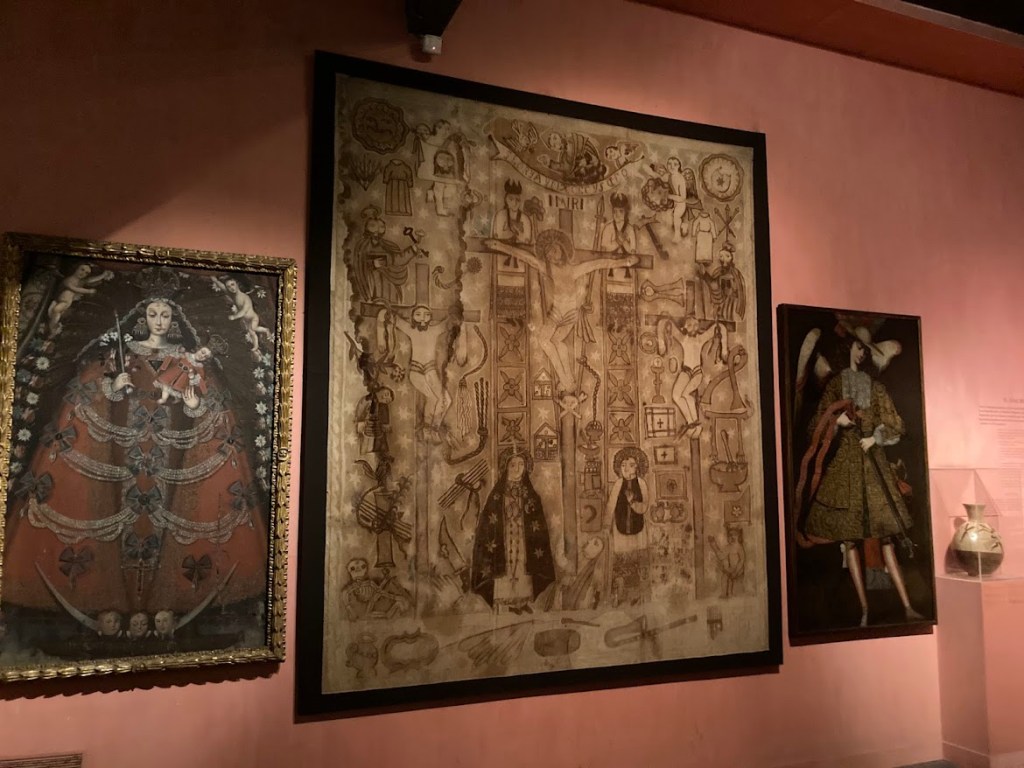
We talked about the good, the bad, and the very ugly in Peruvian history. Giving space and recognition to the communities, people, cultures, and languages that were lost, controlled, or reinvented due to conquerors (some of these groups include the Incas, indigenous, Africans, South Americans, Chinese, Japanese…etc) and the lasting effects of that racism and discrimination on Peru today and how they affect every day people and students in schools.
Regardless of Peru’s divisions economically, racially, linguistically, and socially there are many people building resistances and flighting for a more equitable Peru. When Laura mentioned her university something she said really stuck with me, “The best thing the Jesuits taught me is that I have a belly button and everyone else has a belly button. It’s how we are all connected. It reminds me of my humanity.” So especially today, in this day and age, where it feels like hate and discrimination seem to be never-ending, I can’t help but remember our belly buttons and at the end of the day how connected we all are…or should be to one another.
Peace & Love,
Sar
P.S. I enjoyed my first Pisco Sour! It was delicious! (Passion fruit flavor may be my favorite!)
 Regn Around the World
Leave a comment