Below please learn about various resources, strategies, and suggestions to increase global competency in your classroom!
What is global competence?
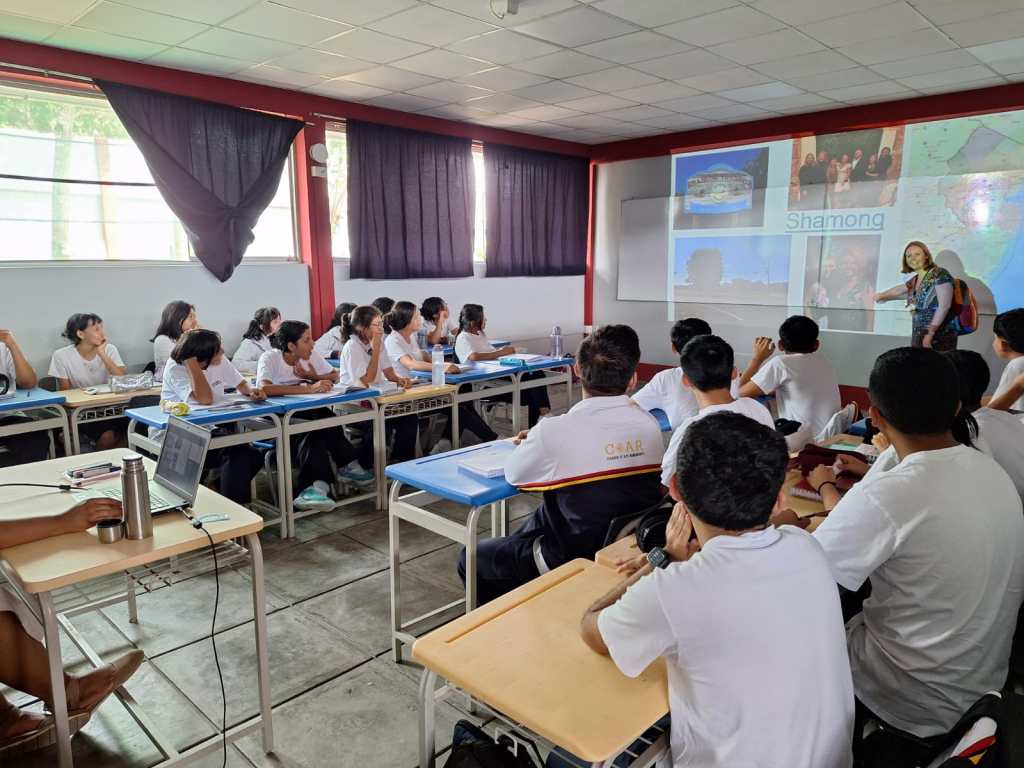
Anything global can innately be intimidating. Global outreach, global network, global programs can all cause a hesitation. Me? Going out or getting to know the big, vast, and beautiful world…I don’t know…I’m feeling awfully small. When we look at the world in a large macrosystem, it is easy to doubt truly how big our ripple effect can go when we are just one person and places/people seem a lot bigger than us.
Global competency does not need to cause the same hesitation that other worldwide concepts do. Based off of various text, videos, and my prior background knowledge I can conclude global competency is igniting understanding and curiosity, active learning, connecting with others, having self efficacy that you are a changemaker and realizing that local issues can also become global ones. It is knowing we are one person a part of a much larger system.
Article Suggestions
Culturally Responsive Teaching:4 Misconceptions
Helpful to learn more about CRT and common misconceptions.
By: Jenn G
•
Teaching Controversial Issues When Democracy is Under Attack
Guides readers to effectively address controversy through inquiry and discussion.
By: Judith P..etc
•
Culturally Responsive Teaching and the Brain
Discusses the parallels between Call & Responses and CRT.
By: Zaretta H
•
10 Strategies for Building a PLC
Effective strategies and recommendations to finding your people and collaborating.
By: Larry F
•
The Lazy Person’s Guide to Saving the World
A brief guide with recommendations to small, effective changes that support SDGs.
By: UN
•
What is a globally competent classroom?
Humans are social creatures, we WANT to connect. In schools, globally competent students understand that the world is a system in which their actions and actions of nations have consequences on the globe, they understand our interconnectedness. To actively teach your students about this global competency I think it is important to first start with relative and active learning. When I was thinking about this interconnectedness I thought of Bronfenbrenner’s ecological systems (microsystem, mesosystem, macrosystem…etc). In order for students to be aware of their global competence, they first need to think about themselves and their own funds of knowledge. Who influences me? School, family, friends. What influences me? Experiences, governments, economics. As students learn about other cultures/beliefs they begin to recongize that their own perspective is shaped by multiple influences as well. When we keep asking questions about how our world is shaped we realize those influences may impact all of us globally.
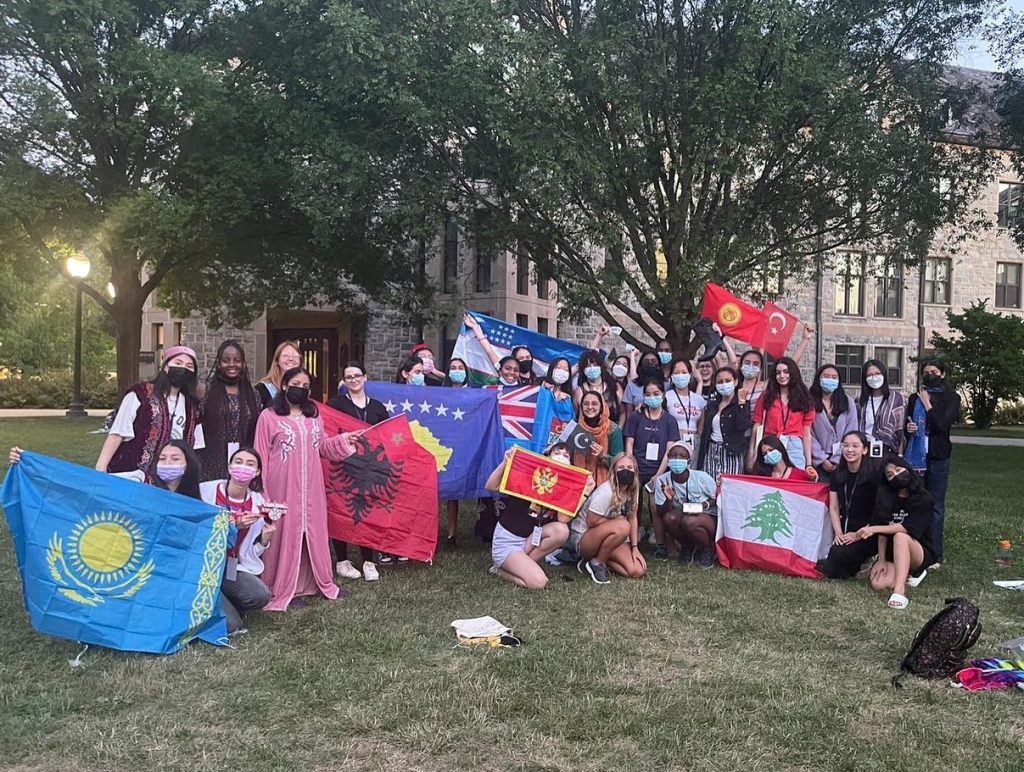
Resources for Educators
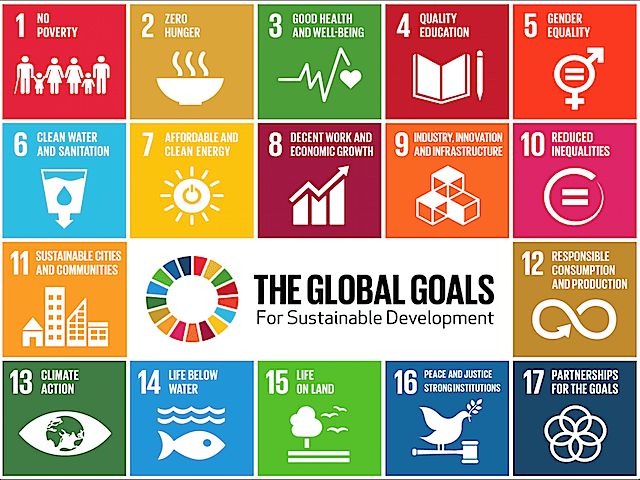
Sustainable Development Goals
The Sustainable Development Goals (SDGs) are a United Nation led initative and goal to create more peace and prosperity for people and the planet, now and into the future by 2030. Their website has various websites, strategies, and lesson plans to incorporate these goals into your classroom and could help when looking to increase global citizenship within your students.

Country Comparison Tool
Based on Hofstede’s six cultural dimension theory, which compares cultures based on power, individualism vs collectivism, masculinity vs feminity, uncertainty-avoidance, longterm vs short term orientation and indulgence vs restraint. On this site you can compare countries scores and help understand how certain cultures vary from others and what they prioritize. This could be a helpful tool when learning about a culture.

Take Action Global
Take Action Global, TAG, aspires to use climate education as a force for environmental action. TAG seeks to inspire students, teachers, educational institutions to be informed and take action with the environment. Below you can find a link to their Climate Action Starter Kit!
Designed with WordPress
 Regn Around the World