
Did you ever want to travel abroad but didn’t know where to begin?
Here are some potential sites, organizations, and spaces to help you get started!
Click on any of the pictures below for more information 🙂
Fulbright Teaching Fellowship Programs
Fulbright ETA Program and Fulbright Teachers for Global Classrooms
As a two time Fulbright alumni (Fulbright ETA from 2018-2019 and Fulbright for Global Classrooms Fellow 2024-2025). Fulbright is a great program through the Department of State to bring people to people relations and grow in global citizenship.
National Education Association
NEA Global Learning Fellowship
An opportunity for public school educators to grow in their global competency and classroom instruction. This is a year long fellowship that includes workshops, mentoring, a two day conference, and a 10 day international field placement.
National Geographic
National Geographic Grovesnor Fellowship
It is a professional learning opportunity for all preK-12th grade teachers. Fellows commit to be a two year ambassador and embark on a multi-week journey in hopes to bring their knowledge back to their classroom.

National Oceanic and Atmospheric Administration
Teacher at Sea Program
This program grants K-12 teachers insight into our ocean planet & increases understanding of earth system science through real research at sea. Teachers live at sea for 2-4 weeks taking on various ocean projects.
How can Cape May, New Jersey be seen on the global level? Can we even relate to the world from this small town?
The answer is YES! Cape May is a very special and unique area full of diverse nature and great resources on the local level that is valuable and connecting to the world. Below are some examples of places or topics you can use in your classroom:
- Cape May Bird Observatory– Cape May is a very special home and migration path for many diverse birds that come from around the world. In your classroom, you can incorporate a global understanding of migration on a local level by learning more about these birds like the warbler and their migratory paths through various countries.
- Global and Local Impacts of Sea Level Rise– Last spring, I did an entire PBL Unit Plan with my students on sea level rise. We started by learning about some animals in the Arctic, we discussed the melting glaciers, then students made observations about our Cape May beaches and the loss of land due to sea level rise.
- Monarch Butterfly Migration– Similar to bird migration, thousands of monarch butterflies migrate from Canada to Mexico from September to November every year. Discussing this natural phenomenon is a huge and great opportunity to introduce migration, climate, and animals adaptations with your students.
- Harriet Tubman Museum– Located right in downtown Cape May the Harriet Tubman Museum is a fantastic place to learn about Harriet’s life in Cape May in the early 1850s and her various journeys seeking people freedom. Supporting your conversations with various mentor texts that highlight African American heroes like Harriet and their sacrifice, as well as the slave experience during this time can relate to various cultures and communities from around the world.
- Beach Clean Ups: Approximately 70% of the earth’s surface is covered by the ocean and in Cape May this small, yet mighty penninsula is surrounded by ocean. Teaching our students the importance of beach clean-ups and preventing pollution is a vital skill to enstill now. Around the world, students can be inspired to acknowledge all the ways we can better care for our ocean and world on both the local and global level.
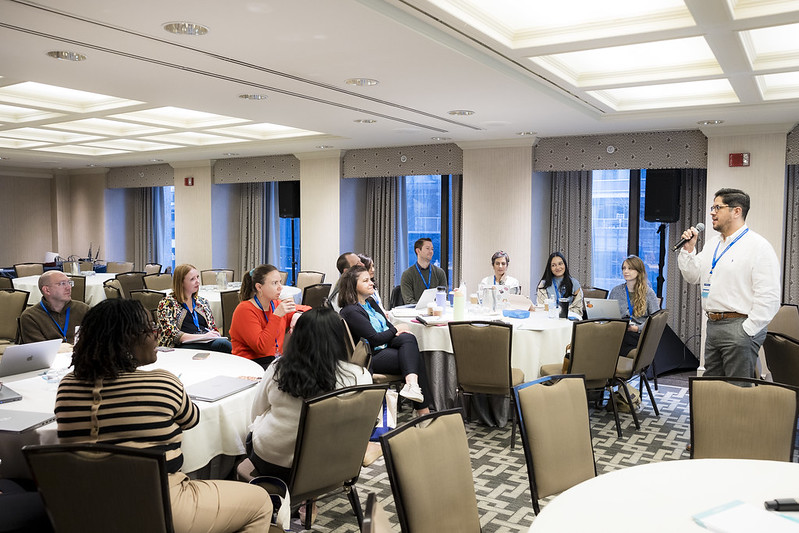
Looking for a potential Project Based Learning Plan to get started teaching in the classroom?
This is a sample PBL Unit Plan for a potential multilingual learner classroom building their empathy and understanding of other cultures. The driving question for this project is how do other people live and care for their environment?
 Regn Around the World